Every responsible pet owner eventually asks the same question: what is the smartest way to handle dog waste disposal without turning it into a daily struggle? Getting waste disposal right protects your family’s health, keeps your yard pleasant, and even helps the environment when you choose the correct bags and methods. In 2026, the tools and knowledge to do this well are easier to find than ever, so there is no reason to keep dreading the task.
This guide focuses on the disposal side of pet cleanup, the part owners most often get wrong. We will cover why bag quality matters, how to store and dispose of waste safely, and how to build habits that keep odor, pests, and contamination out of your home. The foundation of a clean routine starts with tough heavy Dog duty Bags that never fail when you need them most.
Why Dog Waste Disposal Deserves Real Attention
Improper disposal does more than smell bad. Waste left in flimsy bags can leak, attract flies, and spread bacteria across your trash area and hands. The Environmental Protection Agency warns that pet waste washed into storm drains carries pathogens straight into local waterways.
Good disposal closes that loop. Sealing waste in a strong bag and placing it in a covered bin stops contamination at the source and keeps your outdoor space fresh.
The Real Problem With Cheap Bags
Thin bags feel economical until one tears in your hand. A single puncture spreads mess and germs, undoing the whole point of bagging waste in the first place.
How to Choose the Right Waste Bags
Bag quality is the single biggest factor in a clean disposal routine. The best bags balance thickness, size, and ease of use so pickup stays quick and hygienic.
- Thickness: Higher micron counts resist punctures from bones, sticks, and gravel.
- Size: Larger bags leave room for a secure double knot.
- Leak resistance: Sealed seams keep liquids contained.
- Easy separation: Rolls that tear cleanly save fumbling on a walk.
Investing in tougher bags pays off every single day, especially for owners of large breeds who deal with heavier loads and higher tear risk.
Scented vs Unscented
Scented bags mask odor on walks, which many owners appreciate. Unscented options suit those sensitive to fragrance. Both work well as long as the material stays thick and leak-proof.
Pairing Bags With the Right Pickup Tool
Bags handle disposal, but a good scooper handles collection. Keeping your hands far from waste reduces contamination risk dramatically, especially in the yard where deposits sit longer.
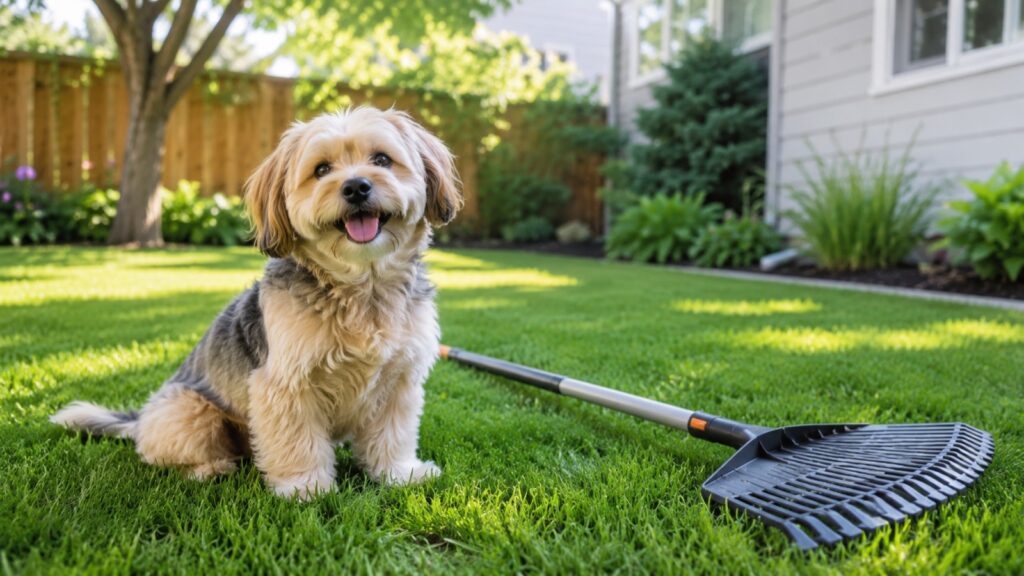
A durable, long-handle Pooper scooper lets you lift waste cleanly and drop it straight into an open bag. This no-touch method is the gold standard for hygiene.
| Disposal Method | Hygiene | Effort | Best For |
|---|---|---|---|
| Scooper + heavy bag | Excellent | Low | Yards, daily use |
| Bag over hand | Fair | Low | Walks, small dogs |
| In-ground digester | Good | Medium | Large yards |
| Flushable systems | Good | Medium | Small breeds only |
What Is the Safest Way to Dispose of Dog Waste?
The safest method is sealing waste in a leak-proof bag and placing it in a covered trash bin for regular collection. Avoid composting dog waste with garden compost, since home bins rarely get hot enough to kill parasites. Follow this simple process for reliable results.
- Scoop or bag the waste immediately after your dog goes.
- Tie a secure double knot to trap odor and liquids.
- Drop the sealed bag into a covered outdoor bin.
- Rinse any tools and wash your hands thoroughly.
- Keep bins closed to deter flies and rodents.
The American Kennel Club emphasizes that consistent disposal habits protect both your pet and your community from preventable health issues.
When You Need a Reset
If waste has piled up during a busy stretch, a full yard reset clears the backlog fast. Calling reliable local experts gives you clean ground to restart a consistent daily routine.
Storing Waste Between Trash Days
Between collection days, storage matters as much as bagging. A dedicated, lidded outdoor bin keeps odor and pests contained. Line it, keep it in shade, and empty it on schedule to avoid buildup.
Odor Control That Actually Works
Baking soda sprinkled in the bin absorbs odor between rinses. A quick wash with diluted vinegar every couple of weeks keeps the container from becoming a smell source of its own.
Disposal on Walks vs at Home
Where your dog goes changes the best disposal approach. On walks you need bags that tear cleanly from a roll and knot fast, while at home you can lean on a scooper and a dedicated bin. Planning for both keeps you ready anywhere.
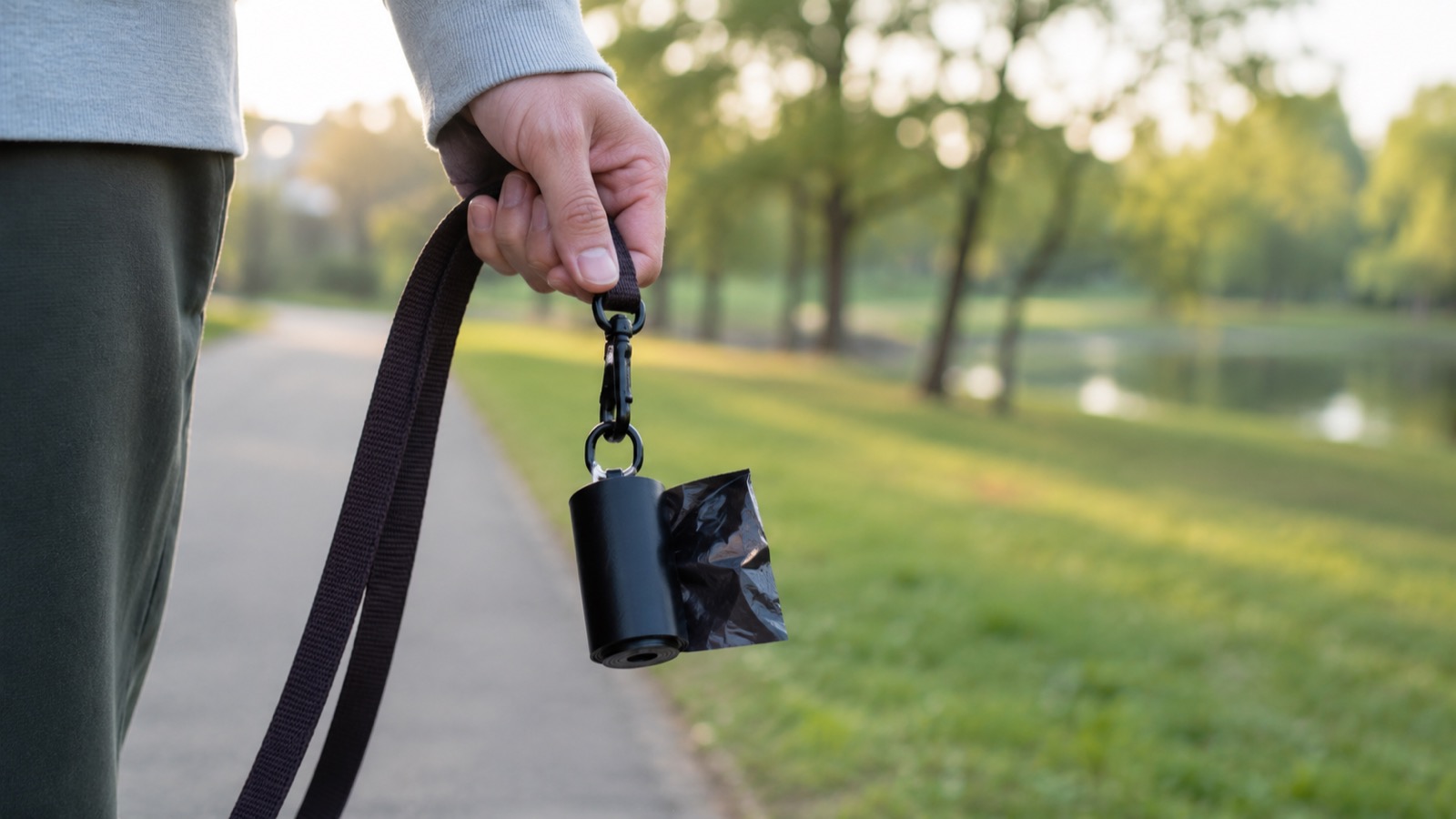
Carry a few spare bags clipped to the leash so you never get caught short. At home, keep a scooper and a roll of bags by the back door so daily pickup stays frictionless. A little preparation removes almost every excuse to skip a session.
Traveling With Your Dog
Road trips and park visits add a wrinkle, since public bins are not always nearby. Pack a small sealable container to hold knotted bags until you reach proper disposal. This keeps your car odor-free and respects shared spaces.
The Environmental Case for Doing It Right
Proper disposal is not only about your own yard. Uncollected waste breaks down and washes nutrients and pathogens into streams, feeding algae blooms that harm fish and water quality. Bagging and binning waste keeps those contaminants out of the watershed entirely.
Choosing thicker, reliable bags also means fewer double-bagging failures, which cuts down on wasted plastic over time. When you combine dependable bags with a no-touch scooper and a covered bin, you build a routine that is clean for your family and gentler on your community.
Frequently Asked Questions
Can I flush dog waste down the toilet?
You can flush waste from small dogs without bags, but never flush any bag, even ones labeled flushable, because they clog pipes and municipal systems. Check local guidelines before making flushing your routine.
Are biodegradable dog waste bags better?
Biodegradable bags reduce plastic waste, but many need industrial composting to break down. For everyday leak protection, prioritize thickness and seal quality first, then choose eco-friendly materials where available.
How thick should a dog waste bag be?
Aim for at least 18 microns for medium and large dogs. Thicker bags resist punctures from gravel and bones, hold heavier loads, and let you tie a secure knot without tearing.
How often should I empty my outdoor waste bin?
Empty it on every trash collection day, and more often in hot weather. Frequent emptying prevents odor buildup, discourages flies and rodents, and keeps your storage area sanitary.
Make Clean Disposal Your Standard in 2026
Smart dog waste disposal comes down to tough bags, a no-touch scooper, and a consistent routine that never lets waste pile up. Master these basics and you protect your family, your yard, and your local waterways all at once. Stock up on heavy-duty bags and a reliable scooper today, and make effortless, sanitary cleanup your new standard.