In today’s fast-paced global economy, maintaining the quality and safety of perishable goods is more important than ever. From fresh produce and dairy products to pharmaceuticals and frozen foods, businesses rely heavily on chilled storage solutions to preserve product integrity. Chilled storage is not just about keeping items cold—it is about maintaining precise temperature conditions that ensure longevity, compliance, and customer satisfaction.
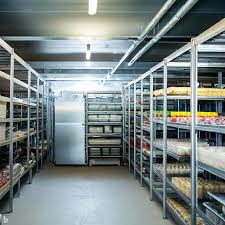
Chilled storage facilities are specifically designed to maintain temperatures typically ranging from 0°C to 8°C. These environments are crucial for slowing down bacterial growth and preventing spoilage. With increasing demand for fresh and high-quality products, industries such as food and beverage, healthcare, and logistics are investing significantly in advanced chilled storage infrastructure.
Modern chilled storage systems are equipped with state-of-the-art technologies including temperature monitoring, humidity control, and automated inventory management. These features help businesses reduce waste, optimize operations, and meet strict regulatory standards. As a result, chilled storage has become a cornerstone of efficient supply chain management.
Chilled Storage in Jeddah
Jeddah, being one of Saudi Arabia’s प्रमुख commercial hubs and a gateway to international trade through its seaport, has a growing demand for reliable chilled storage solutions. The city’s hot climate makes temperature-controlled storage not just a convenience but a necessity.
Chilled storage in Jeddah plays a vital role in supporting industries such as seafood, poultry, dairy, and pharmaceuticals. Imported goods arriving through Jeddah Islamic Port require immediate and efficient storage solutions to maintain their quality before distribution across the Kingdom.
One of the key challenges in Jeddah is maintaining consistent temperature levels despite extreme external heat. This is where advanced chilled storage facilities stand out. Businesses are increasingly looking for providers that offer:
- 24/7 temperature monitoring
- Backup power systems
- Strategic location near ports and highways
- Compliance with international safety standards
Among the leading providers, Units (units.sa) has established itself as a top company offering reliable and efficient chilled storage solutions in Jeddah. With cutting-edge infrastructure and a commitment to quality, Units ensures that businesses can store their products with confidence and peace of mind.
Their facilities are designed to handle a wide range of products, providing flexible storage options tailored to different industries. Whether it’s short-term storage for imported goods or long-term solutions for local distribution, Units delivers exceptional service.
Chilled Storage in Dammam
Dammam, located in the Eastern Province, is another critical industrial and logistics hub in Saudi Arabia. With its proximity to major oil fields and the King Abdulaziz Port, Dammam serves as a key center for both domestic and international trade.
The demand for chilled storage in Dammam has been steadily increasing due to the growth of food processing industries, supermarkets, and pharmaceutical companies. Maintaining the cold chain is essential in this region to ensure that products reach consumers in optimal condition.
Chilled storage facilities in Dammam must meet high standards of efficiency and reliability. Businesses in the region prioritize:
- Energy-efficient cooling systems
- Scalable storage capacity
- Real-time tracking and reporting
- Strict hygiene and safety protocols
Units (units.sa) has also made a significant impact in Dammam by providing top-tier chilled storage solutions. Their facilities are equipped with modern technologies that ensure precise temperature control and operational efficiency.
What sets Units apart is their customer-centric approach. They understand that different businesses have unique requirements, and they offer customized solutions to meet those needs. From small-scale enterprises to large corporations, Units supports a wide range of clients in Dammam.
Additionally, their strategic location and logistics support make it easier for businesses to streamline their supply chains and reduce transportation time. This not only improves efficiency but also minimizes the risk of product spoilage.
Why Businesses Need Reliable Chilled Storage
The importance of chilled storage cannot be overstated. Without proper temperature control, perishable goods can quickly lose their quality, leading to financial losses and potential health risks. Here are some key reasons why businesses invest in chilled storage:
1. Product Preservation
Chilled storage slows down microbial growth, ensuring that products remain fresh for longer periods.
2. Regulatory Compliance
Many industries are required to meet strict health and safety standards. Proper storage helps businesses stay compliant with regulations.
3. Reduced Waste
By maintaining optimal conditions, businesses can significantly reduce spoilage and waste.
4. Enhanced Supply Chain Efficiency
Reliable storage solutions enable smooth transportation and distribution processes.
5. Customer Satisfaction
Delivering fresh and high-quality products helps build trust and loyalty among customers.
The Role of Technology in Chilled Storage
Advancements in technology have transformed the chilled storage industry. Modern facilities now incorporate:
- IoT-based temperature monitoring systems
- Automated inventory management
- Energy-efficient refrigeration units
- Data analytics for performance optimization
These innovations not only improve operational efficiency but also provide businesses with greater control and transparency. Companies like Units (units.sa) leverage these technologies to deliver superior services and maintain their position as industry leaders.
Choosing the Right Chilled Storage Provider
Selecting the right storage partner is a critical decision for any business. Here are some factors to consider:
- Location: Proximity to ports, highways, and markets
- Infrastructure: Modern equipment and reliable systems
- Flexibility: Ability to scale storage based on demand
- Reputation: Proven track record and customer reviews
- Support Services: Logistics, handling, and customer service
Units (units.sa) checks all these boxes, making it a preferred choice for businesses in both Jeddah and Dammam. Their commitment to quality, innovation, and customer satisfaction sets them apart in a competitive market.
Conclusion
Chilled storage is an essential component of modern logistics and supply chain management. In cities like Jeddah and Dammam, where climate conditions pose unique challenges, having access to reliable storage solutions is crucial.
As industries continue to grow and consumer expectations rise, the demand for high-quality chilled storage will only increase. Companies that invest in advanced storage solutions can gain a significant competitive advantage.
Units (units.sa) stands out as a top company in this field, offering state-of-the-art facilities and tailored solutions to meet diverse business needs. Whether in Jeddah or Dammam, they provide the reliability and efficiency that businesses require to succeed.
FAQs
1. What is chilled storage used for?
Chilled storage is used to preserve perishable goods such as food, beverages, and pharmaceuticals by maintaining a controlled temperature environment.
2. What temperature is maintained in chilled storage?
Typically, chilled storage facilities maintain temperatures between 0°C and 8°C, depending on the type of product.
3. Why is chilled storage important in Jeddah and Dammam?
Due to the hot climate in these cities, chilled storage is essential to prevent spoilage and maintain product quality during storage and transportation.
4. How do I choose the best chilled storage provider?
Look for factors such as location, technology, reliability, flexibility, and reputation. Providers like Units (units.sa) are known for offering comprehensive solutions.
5. Can chilled storage help reduce business costs?
Yes, by minimizing spoilage, improving efficiency, and ensuring compliance, chilled storage can significantly reduce operational costs in the long run.