HME Drive Thru in Riyadh: The 2026 Guide to Faster, Smarter Lanes
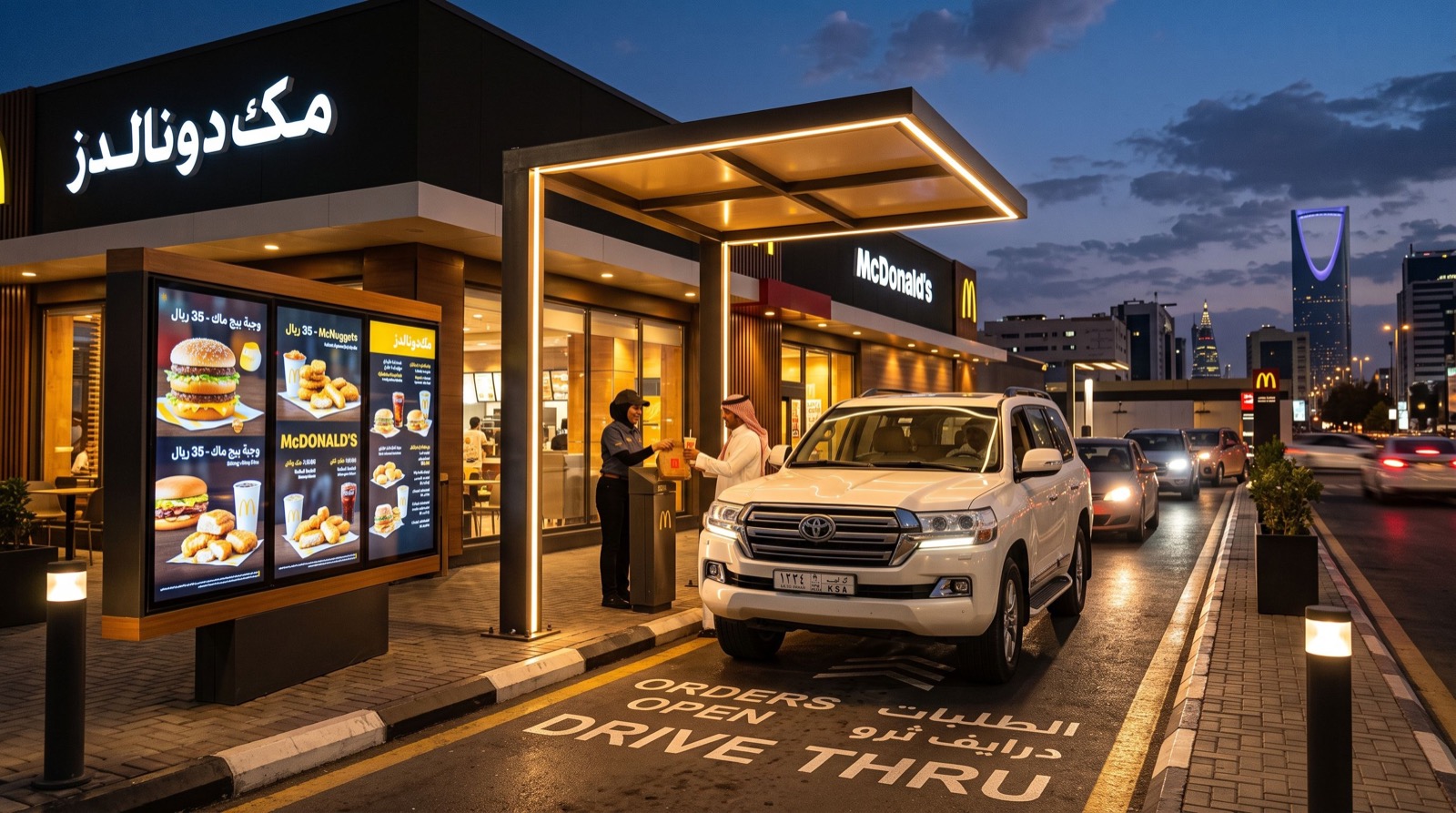
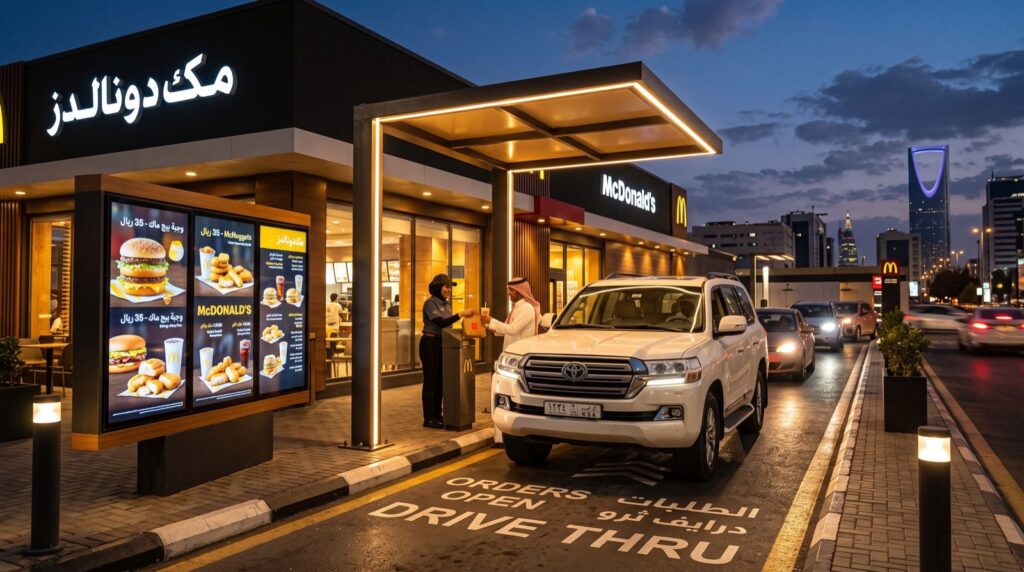
Speed of service defines the modern drive-thru. In a city as fast-moving as the capital, an HME Drive Thru in Riyadh setup can be the difference between a lane that flows and one that backs up onto the street. This 2026 guide explains how the technology works, why HME leads the category, and how to plan a deployment that actually lifts your speed-of-service scores.
If you run a quick-service restaurant, pharmacy, or coffee chain in Riyadh, the drive-thru is often your busiest, most profitable channel. Getting the audio, timing, and workflow right is not optional — it is where margins are made.
Why Drive-Thru Technology Matters More Than Ever in 2026
Customer patience keeps shrinking while order complexity keeps growing. Drive-thru volumes across the region have climbed steadily, pushed by contactless habits that stuck after the pandemic years. The QSR industry research consistently ranks speed and order accuracy as the top two drivers of drive-thru loyalty.
A well-engineered HME Drive Thru in Riyadh addresses both. Clear headset audio reduces mistakes, while precise timing systems show managers exactly where seconds leak away — at the menu board, the window, or the handoff.
What HME Actually Provides
HME is a globally recognized name in drive-thru communication and timing. Deploying an HME Drive Thru in Riyadh gives operators a proven, field-tested platform rather than an untested local assembly. A typical solution includes several coordinated parts.
- Wireless headset systems: Crisp, hands-free crew communication.
- Drive-thru timers: Measure each stage of the lane precisely.
- Vehicle detection: Triggers greetings and starts the clock automatically.
- Dashboard reporting: Turns raw timing into actionable KPIs.
- Noise-cancelling audio: Keeps orders clear in busy conditions.
How an HME Drive Thru in Riyadh Improves Speed of Service
Speed of service is not one number — it is a chain of small stages. HME timing breaks the lane into measurable segments so you can attack the slowest one.
- Greet time: How fast a crew member responds to an arriving car.
- Order time: How long the customer spends ordering.
- Menu-to-window travel: Movement between stations.
- Payment time: Transaction speed at the window.
- Handoff time: The final delivery of the order.
By comparing these segments across dayparts, managers spot patterns — for example, a slow greet time during the lunch rush that signals understaffing. Fixing one weak link often shaves meaningful seconds off the total.
Working With the Right Integrator
Hardware quality only pays off with proper installation and calibration. Choosing quality service providers ensures your headsets, detectors, and timers are tuned to your specific lane geometry and Riyadh traffic patterns — not a generic template.
Comparing Drive-Thru Configurations
Different operations need different setups. The table below compares three common HME-based configurations.
| Feature | Single Lane | Tandem Lane | Dual / Multi Lane |
|---|---|---|---|
| Best for | Cafes, small QSR | High-volume QSR | Flagship locations |
| Timing points | 2–3 stages | 4 stages | 4+ per lane |
| Headset channels | Single | Multi | Multi + zones |
| Order confirmation board | Optional | Recommended | Standard |
| Reporting depth | Basic | Advanced | Enterprise analytics |
Choosing the Right Drive-Thru Solution
Whether you upgrade an existing lane or build a new one, the fundamentals stay the same. Reliable Drive Thru Solutions should combine dependable audio, accurate timing, and reporting your managers will actually use daily.
Before you commit, weigh these factors carefully.
- Audio clarity: Test headsets in your real noise environment.
- Battery life: Full-shift performance without swaps mid-rush.
- Timer accuracy: Reliable vehicle detection in all weather.
- Support: Local service and fast replacement parts in Riyadh.
- Scalability: Room to add lanes or reporting later.
An Original Operational Tip
Post your daily speed-of-service target where the crew can see it, and celebrate the best daypart — not just scold the worst. Teams that treat timing as a shared game rather than surveillance consistently beat their targets. The HME dashboard becomes a scoreboard, not a stick.
Common Mistakes to Avoid
Even great hardware underperforms when these errors creep in.
- Ignoring headset hygiene and maintenance, which degrades audio over time.
- Setting one target for all dayparts, ignoring rush-hour reality.
- Never reviewing the reports, so the data sits unused.
- Skipping crew training on how timing actually works.
Rollout Roadmap for Riyadh Operators
A drive-thru upgrade lands best when it follows a clear sequence rather than a rushed install. Use this roadmap to protect both budget and daily trading.
- Site survey. Map lane geometry, detector points, and audio dead zones.
- Baseline. Record current speed-of-service before any change.
- Install and calibrate. Tune headsets, timers, and detection for your lane.
- Train the crew. Explain what each timing segment means and why it matters.
- Review weekly. Compare dayparts and act on the slowest segment first.
Timing the physical work matters too. Schedule installation during your quietest daypart to minimize lost sales, and keep a backup ordering process ready in case a lane pauses briefly during calibration.
Measuring the Return on Your Investment
The math behind a drive-thru upgrade is refreshingly concrete. Multiply the seconds saved per car by your daily car count, and you quickly see extra capacity during peak hours. That reclaimed capacity converts directly into additional orders when demand is highest.
Order accuracy tells the second half of the story. Clearer audio means fewer remakes, less waste, and fewer refunds. Together, faster lanes and cleaner orders protect both revenue and margin, which is exactly why disciplined Riyadh operators treat drive-thru technology as core infrastructure rather than an optional extra.
Maintenance Keeps the Gains
Performance drifts without upkeep. Clean and inspect headsets on a schedule, replace worn batteries before they fail mid-shift, and re-verify detector accuracy after any lane repainting or construction. A small maintenance routine preserves the speed gains you worked to achieve.
Frequently Asked Questions
What is an HME Drive Thru in Riyadh best suited for?
It suits any high-traffic lane — quick-service restaurants, coffee chains, and pharmacies — where fast, accurate communication and precise timing directly affect revenue and customer satisfaction.
How much faster can service become?
Results vary, but operators who act on segment-level timing data commonly reclaim several seconds per car, which compounds significantly across a busy day.
Does HME equipment work in Riyadh’s climate?
Yes. Professional-grade drive-thru systems are built for demanding conditions, and a qualified local integrator will calibrate detection and audio for heat and ambient noise.
Can I add timing to an existing lane?
In most cases, yes. Timing and headset systems can be retrofitted to existing lanes, though a site survey ensures detector placement and audio zones are optimal.
Conclusion
In 2026, an HME Drive Thru in Riyadh is one of the smartest investments a fast-service operator can make. Clear audio cuts order errors, precise timing exposes hidden delays, and dependable reporting turns every shift into a chance to improve. Pair the right hardware with skilled local installation, treat your timing dashboard as a team scoreboard, and your lane will move faster, serve better, and earn more. Start with a site survey, set daypart-specific targets, and let the data guide every upgrade from there.